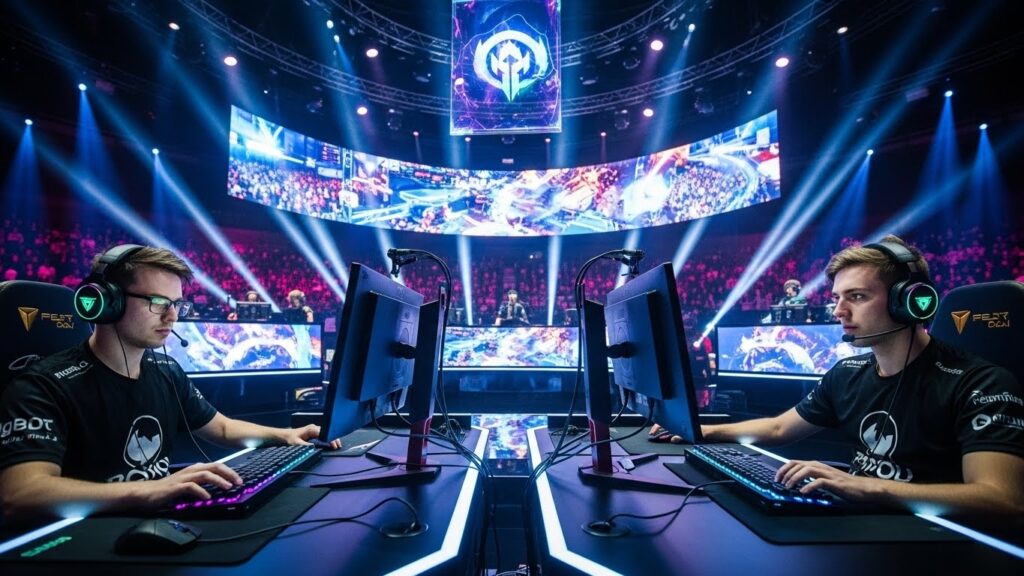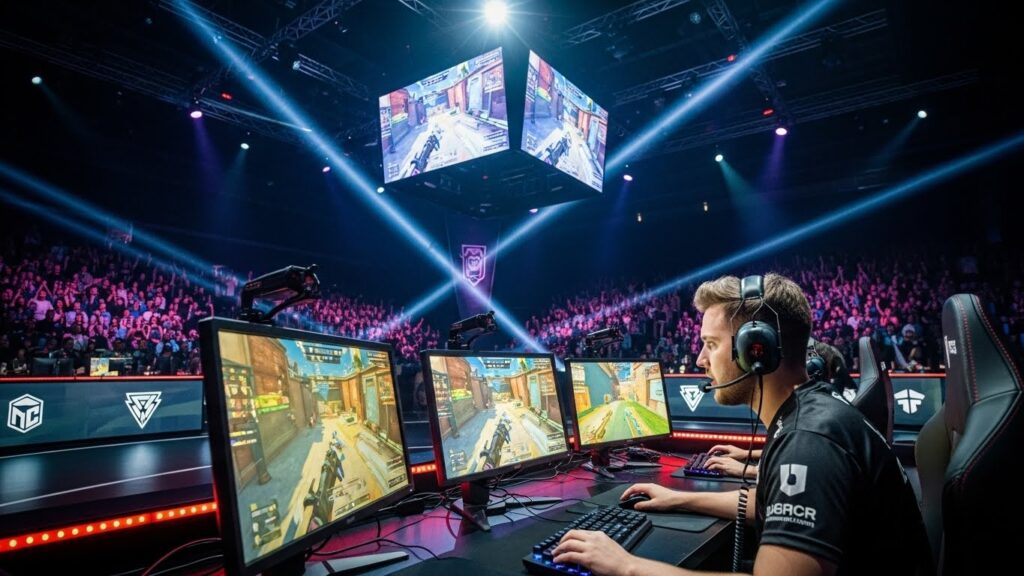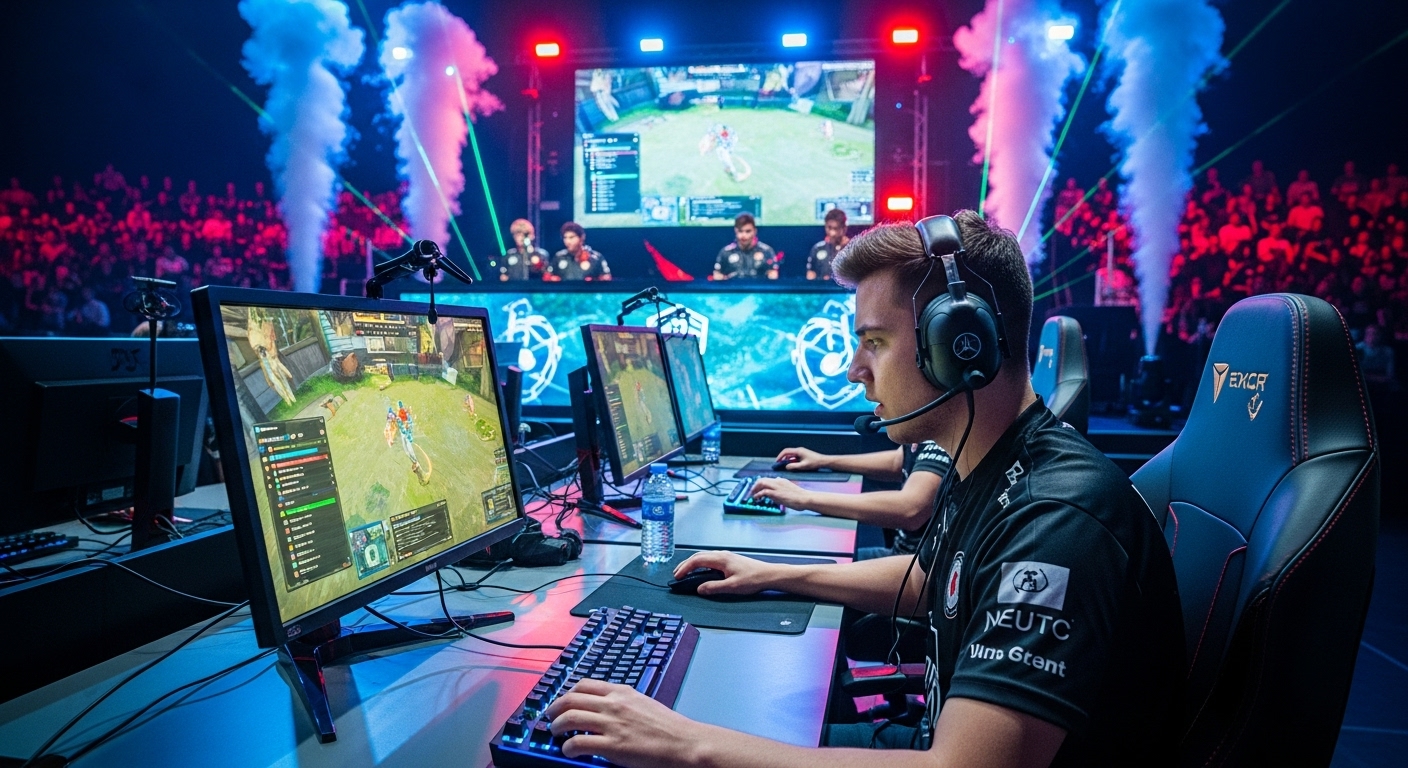
Esports, short for electronic sports, has grown from a casual hobby into a global phenomenon that rivals traditional sports in both popularity and economic impact. What began as small-scale arcade competitions has evolved into a multi-billion-dollar industry with professional leagues, international tournaments, and millions of passionate fans. The rise of esports reflects not just technological advancements, but also the increasing acceptance of gaming as a legitimate form of competition and entertainment. This blog explores the evolution, influence, challenges, and future of esports.
The Origins of Competitive Gaming
Competitive gaming is not a modern concept. Its roots trace back to the 1970s and 1980s, when arcades became social hubs where players competed for high scores in games like Pong, Space Invaders, and Pac-Man. The first documented video game tournament, held at Stanford University in 1972 for the game Spacewar, awarded a subscription to a gaming magazine as a prize, highlighting the early community-driven spirit of competitive gaming.
As home consoles and personal computers became more accessible, local multiplayer competitions flourished. Titles like Street Fighter and Mortal Kombat encouraged head-to-head matchups, while early networked games like Doom and Quake allowed players in different locations to compete. These foundations set the stage for what would become professional esports.
The Professionalization of Esports
The late 1990s and early 2000s marked the emergence of professional esports. Games such as StarCraft in South Korea, Counter-Strike globally, and Warcraft III became arenas for professional competition. Talented players began receiving salaries, sponsorships became more common, and dedicated esports organizations were established.
South Korea played a pivotal role in esports professionalization. StarCraft players became national celebrities, televised matches were broadcast to millions, and structured leagues were formed. This era demonstrated that gaming could be a serious career and laid the foundation for the global esports industry we see today.
Popular Esports Genres
Esports encompasses a variety of genres, each with unique gameplay dynamics and competitive strategies. Multiplayer Online Battle Arena (MOBA) games like League of Legends and Dota 2 focus on teamwork, strategy, and split-second decision-making. First-Person Shooters (FPS), including Counter-Strike: Global Offensive and Valorant, test reflexes, precision, and coordination.
Battle Royale games like Fortnite and PUBG emphasize adaptability and survival skills, while fighting games such as Tekken and Street Fighter require mastery of timing and technique in one-on-one duels. Sports simulations like FIFA and NBA 2K replicate real-world sports, attracting fans who enjoy both the digital and traditional versions. This diversity ensures esports appeals to a wide spectrum of gamers and viewers.
The Global Esports Industry
The esports industry has grown into a global powerhouse, generating billions in revenue from tournaments, sponsorships, media rights, and merchandising. Professional teams now operate like traditional sports franchises, with contracts, training regimens, and global fan bases. Major tournaments, such as the League of Legends World Championship and Dota 2’s The International, attract millions of viewers worldwide and feature prize pools worth millions of dollars.
Asia, particularly South Korea and China, remains the heart of competitive esports, with government-backed leagues, cultural acceptance, and dedicated esports arenas. North America and Europe have also embraced esports, hosting large-scale tournaments, developing professional leagues, and integrating esports into educational programs.
Streaming Platforms and Esports Popularity
Streaming platforms like Twitch and YouTube Gaming have revolutionized esports by enabling fans to watch live competitions, interact with players, and join global communities. Streamed content allows audiences to feel connected to professional players, offering interactivity that traditional sports often lack.
Individual gamers and content creators have also gained fame through streaming, turning personal gaming skills into full-time careers. Viewers can subscribe, donate, and participate in live chats, fostering a sense of community and engagement. Streaming has not only increased esports’ reach but also introduced new revenue streams for the industry.
Cultural Impact of Esports
Esports has transcended gaming, influencing fashion, lifestyle, and social trends. Players have become celebrities, shaping cultural tastes and trends in ways similar to traditional athletes. Cosplay, fan art, and esports-themed events contribute to vibrant fan communities that thrive beyond gameplay.
Moreover, esports challenges conventional definitions of sports. While traditional athletics emphasize physical prowess, esports highlights strategic thinking, teamwork, reflexes, and mental agility. This redefinition has helped legitimize gaming as a profession and a form of mainstream entertainment.
Esports and Education
Educational institutions increasingly recognize esports as a tool for skill development and career opportunities. Colleges and universities offer scholarships, competitive teams, and academic programs focused on game design, esports management, and strategic analysis. Participation in esports teaches teamwork, communication, problem-solving, and leadership skills.
Esports programs also foster inclusivity, providing opportunities for students who may not participate in traditional sports. By integrating competitive gaming into education, institutions prepare students for careers in a growing industry while cultivating critical thinking and collaboration skills.
Health and Wellbeing in Esports
Despite its popularity, esports poses unique physical and mental health challenges. Extended gaming sessions, high-stress competition, and long hours of practice can lead to eye strain, repetitive strain injuries, sleep deprivation, stress, and anxiety.
To combat these issues, professional teams implement wellness programs, including physical exercise, ergonomic setups, mental health support, and structured training schedules. Promoting health and wellbeing ensures sustainable careers, allowing players to maintain performance over the long term.
Technological Innovations in Esports
Esports relies on cutting-edge technology. High-performance gaming PCs, consoles, and peripherals enhance competitive play. Advancements in graphics, internet connectivity, and streaming technology have improved both player performance and viewer experience.
Emerging technologies, such as virtual reality (VR) and augmented reality (AR), have the potential to redefine competitive gaming by creating immersive experiences. Data analytics and artificial intelligence (AI) are increasingly used for performance tracking, strategy optimization, and coaching. These innovations make esports a dynamic industry where technology and entertainment intersect.
The Business Side of Esports
The esports ecosystem includes players, teams, tournament organizers, sponsors, streaming platforms, and advertisers. Sponsorships and brand partnerships are major revenue drivers, with companies seeking to reach the highly engaged, tech-savvy esports audience. Merchandising, media rights, and ticket sales further strengthen the industry’s financial foundation.
Beyond gaming itself, esports drives opportunities in event management, coaching, content creation, and technology development. The industry’s economic impact highlights the professional and entrepreneurial potential within competitive gaming.
Challenges Facing Esports
Despite rapid growth, esports faces challenges. High-pressure competition can affect players’ mental health, while rapid technological changes require constant adaptation. Issues like cheating, online harassment, and the spread of misinformation pose risks to the community. Additionally, professional players face concerns about career longevity, fair compensation, and work-life balance.
Addressing these challenges requires collaboration among players, organizations, and regulators. Establishing ethical guidelines, promoting wellness, and creating sustainable career paths are crucial to the long-term health of the industry.
The Future of Esports
The future of esports is bright, with technology and innovation driving new possibilities. 5G connectivity, cloud gaming, and VR experiences will make esports more immersive and accessible. Cross-platform competitions and virtual arenas may expand audiences, while integration with traditional sports could further legitimize esports as a professional pursuit.
Esports also has the potential to foster social engagement, cultural exchange, and educational development. As the industry grows, it will continue to redefine entertainment, inspire innovation, and shape the digital landscape for years to come.
Conclusion: Esports as a Modern Cultural Force
Esports has evolved from arcade competitions into a global industry that entertains, educates, and inspires millions. It represents a new form of competition where skill, strategy, and teamwork are paramount. With professional leagues, worldwide audiences, and technological innovation driving growth, esports has become a legitimate and influential force in modern culture.
The rise of esports demonstrates that gaming can be more than recreation—it is a reflection of human creativity, ambition, and connection. As the industry continues to grow and evolve, esports will shape the future of entertainment and redefine what it means to compete in the digital age.